
Workforce Accommodation: What Procurement Teams Should Look For
A buyer-side guide for procurement teams sourcing accommodation for remote sites: what to look for in durability, delivery speed, ready-to-use units, and single-point accountability.
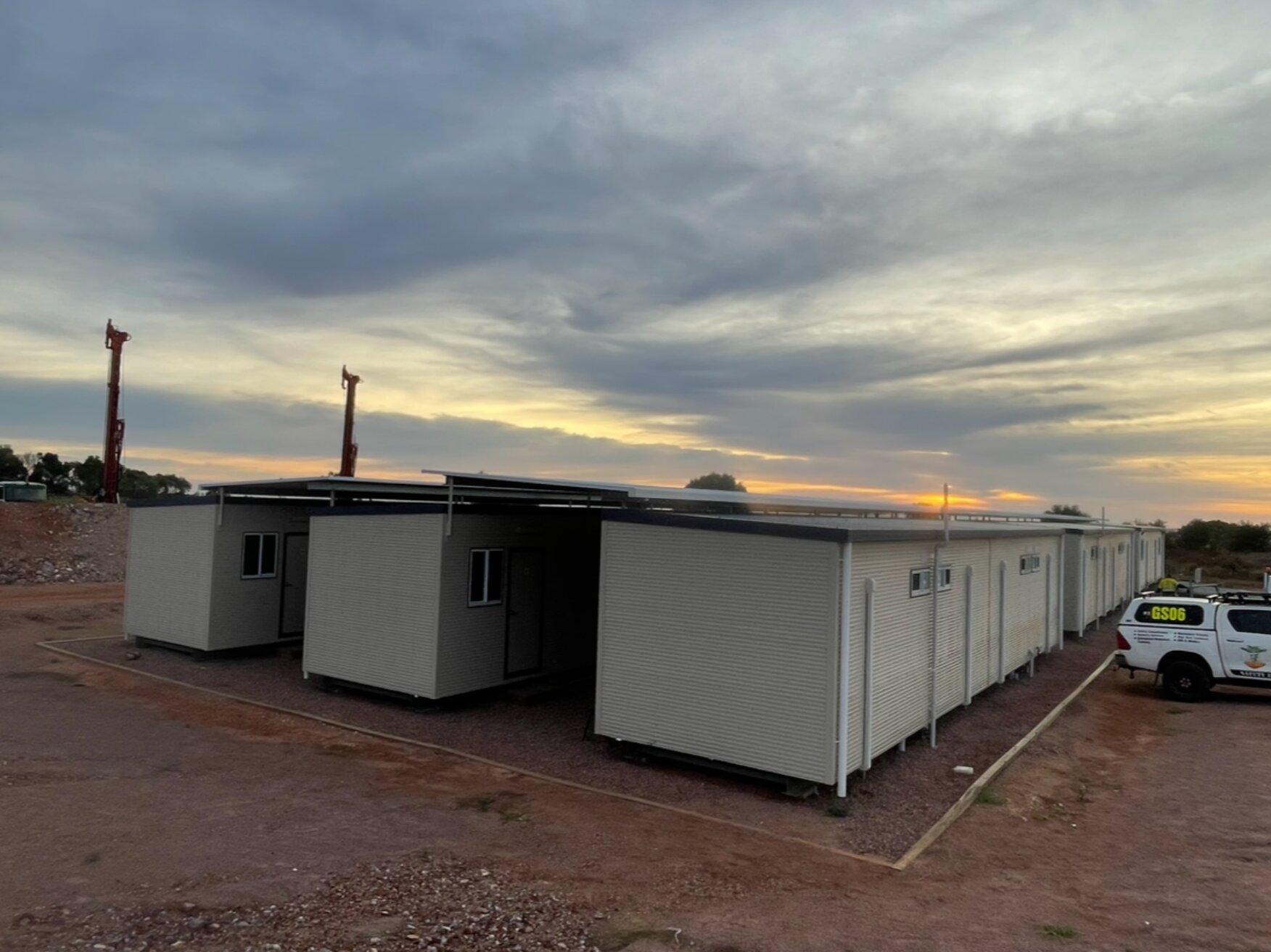
Sourcing accommodation for a remote operation is a procurement problem before it is a building problem. The units have to survive the site, arrive on schedule, work the day they land, and come from someone you can hold to account when something needs sorting. Here is what to weigh up when you compare suppliers.
Durability built for the conditions
Remote sites are hard on buildings. Heat, dust, distance from trades, and constant use all add up, and a unit that needs callbacks in its first year is a unit that costs you more than its purchase price. The frame is where this is won or lost. We frame every unit in steel, which is strong, straight, termite-proof, and fire-resistant, and does not warp or shrink with moisture. That matters most where the nearest tradesperson is hours away and a twisted door or a termite problem turns into a logistics exercise.
When you assess durability, look past the finish and ask about the structure:
- What is the frame made of, and how does it hold up in heat and humidity
- How is the unit protected against termites, fire, and moisture over its service life
- Is it built to a consistent specification, or does quality vary unit to unit
Because our buildings are made indoors to a fixed specification, you get the same build every time rather than a result that shifts with site conditions. You can read more on the frame itself in our guide on steel frame vs timber.
Speed that protects your schedule
On a remote project, accommodation is rarely the goal. It is what lets the rest of the schedule happen, which makes its delivery date a dependency for everything downstream. The risk you are buying against is slippage. We build in the factory while site works run in parallel, so the units take shape at the same time the ground is being prepared rather than after it. That parallel approach is why a modular build runs 20-50% faster than traditional construction.
For procurement, the value is a more predictable timeline and fewer weather delays, because the build is happening under a roof. When you compare quotes, compare the delivery and install plan with the same rigour you apply to the unit itself. A cheaper unit that lands late is not cheaper. Our process page sets out how a job moves from design to install.
Units that arrive ready to use
A unit that arrives needing significant on-site fit-out shifts cost and labour onto your site, in the place where both are most expensive. The better question is how complete the unit is when it lands. We design, manufacture, and install in-house, so accommodation is built to be functional on arrival rather than assembled in the dust.
When you scope a supplier, get specific about what "delivered" means:
- What is fitted in the factory versus what your team has to finish on site
- What site works and connections are your responsibility
- Who handles transport, craneage, and install, and is that in the price
The more that is done in the factory, the less you carry on the ground. You can see the kind of accommodation we build for remote operations on our workforce accommodation page.
One point of accountability
The most common failure on a multi-supplier job is the gap between them. When design, manufacture, transport, and install sit with different parties, every handover is a chance for blame to move and your problem to stay. We control the whole chain, so one team owns the whole job from design through to install. For you, that means a single point of accountability and no finger-pointing when something needs to be made right.
When you compare suppliers, map who is responsible at each stage:
- Is design, manufacture, and install handled by one party or sub-let
- Who do you call when there is an issue after install
- Can the supplier show experience with remote operations
We have built and installed accommodation for remote operations, we are a central Queensland manufacturer built in Rockhampton, and modX holds ISO certification. The same in-house capability sits behind our commercial builds.
If you are sourcing accommodation for a remote site and want a supplier who owns the job end to end, get in touch.
FAQs
Frequently asked questions
Keep exploring
See our steel-frame workforce accommodation.
Workforce AccommodationWhy steel framing stands up to remote sites.
Steel-frame modular homes